
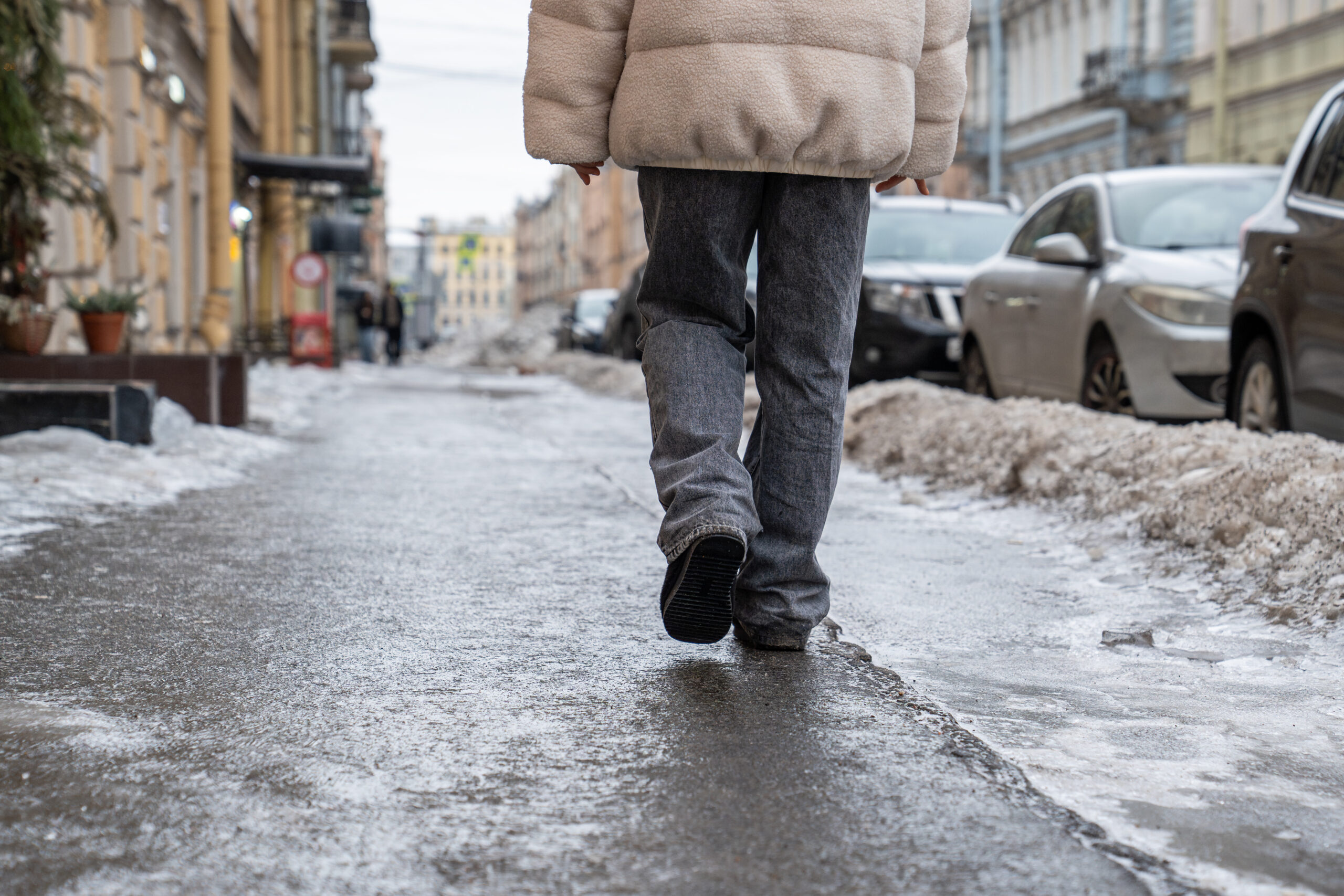
Every winter, people across Pennsylvania are hurt in falls on icy sidewalks, parking lots, and building entrances. These injuries can be serious, from broken wrists and hips to back and head injuries that keep people out of work for months.
If you fell on snow or ice on someone else’s property, you may be wondering whether the property owner is responsible. Pennsylvania has a special rule for these cases, known as the “hills and ridges” rule, and it can make them more challenging. But it doesn’t mean you have no claim. Understanding how the rule works, and when it doesn’t apply, is an important first step.
A Property Owner’s General Duty
In Pennsylvania, property owners and the businesses that control a property generally must keep it reasonably safe for customers, guests, and other lawful visitors. That usually means fixing hazards, or warning visitors about them, when the owner knew about the hazard or should have discovered it through reasonable inspection.
Snow and ice are treated a little differently, because Pennsylvania courts recognize that it isn’t realistic to expect every walkway to stay completely clear during and right after a winter storm.
What Is the “Hills and Ridges” Rule?
When slippery conditions are widespread throughout the area, such as during or shortly after a storm, a smooth, slick surface usually isn’t enough on its own to hold a property owner responsible. Instead, an injured person generally must show that:
- The snow or ice had built up into ridges or uneven elevations large enough to unreasonably get in the way of walking safely.
- The property owner knew or should have known about that buildup.
- That buildup caused the fall.
In practice, this means the condition of the surface matters a great deal. A fall on hardened, rutted, or uneven ice that was left in place may be treated very differently from a fall on a thin glaze of ice that formed during an active storm.
When the Rule May Not Apply
The hills and ridges rule is not a blanket defense to every winter fall. Depending on the facts, it may not apply when:
- The ice was an isolated patch. If the rest of the area was clear and the fall happened on a single icy spot, the rule may not apply.
- The ice came from a problem with the property. Leaking gutters or downspouts, poor drainage, broken pipes, or runoff from melting snow piles can create ice that isn’t simply the result of the weather.
- The owner’s own actions created the hazard. For example, plowing or shoveling that leaves snow to melt and refreeze across a walkway may change the analysis.
- The fall happened indoors. The rule is aimed at outdoor walking surfaces. A fall inside a building, such as on a wet floor near an entrance, is generally evaluated under ordinary premises liability rules.
Timing also matters. Property owners generally get a reasonable amount of time after a storm ends to clear and treat their walkways. A fall on ice that was left untreated for days after a storm may present a very different claim than a fall in the middle of a snowfall.
What to Do After a Fall on Snow or Ice
Evidence in these cases disappears quickly. Snow melts, ice is salted, and conditions change by the hour. If you can, take these steps as soon as possible after a fall:
- Take photos and video of the exact spot where you fell and the surrounding area, including any ridges, uneven ice, gutters, downspouts, or drainage problems nearby.
- Report the fall to the property owner, store manager, or landlord, and ask for a copy of any incident report.
- Get names and phone numbers of anyone who saw the fall or the conditions.
- Keep the shoes and clothing you were wearing.
- Get medical care promptly, and follow your doctors’ recommendations.
- Write down what you remember, including the time of day, the weather, and how long it had been since the last snowfall.
Falls on the Job
If you slipped on snow or ice while working at a location controlled by a company other than your employer, such as a client’s property or a shared job site, you may have a claim against that property owner in addition to any workers’ compensation benefits. You can learn more on our Workplace Injuries page.
Talk to a Lawyer Before You Decide You Have No Case
Property owners and their insurers often point to the hills and ridges rule early in a claim, sometimes before anyone has looked closely at what actually caused the fall. Whether the rule applies depends on the specific facts, and the details can make all the difference.
Pennsylvania imposes strict time limits for filing personal injury claims, so it’s important to act quickly. Wood Legal offers a free case review, and we handle personal injury cases on a contingency basis, so there’s no upfront cost to you. Contact Wood Legal today to talk about your fall and your options.