
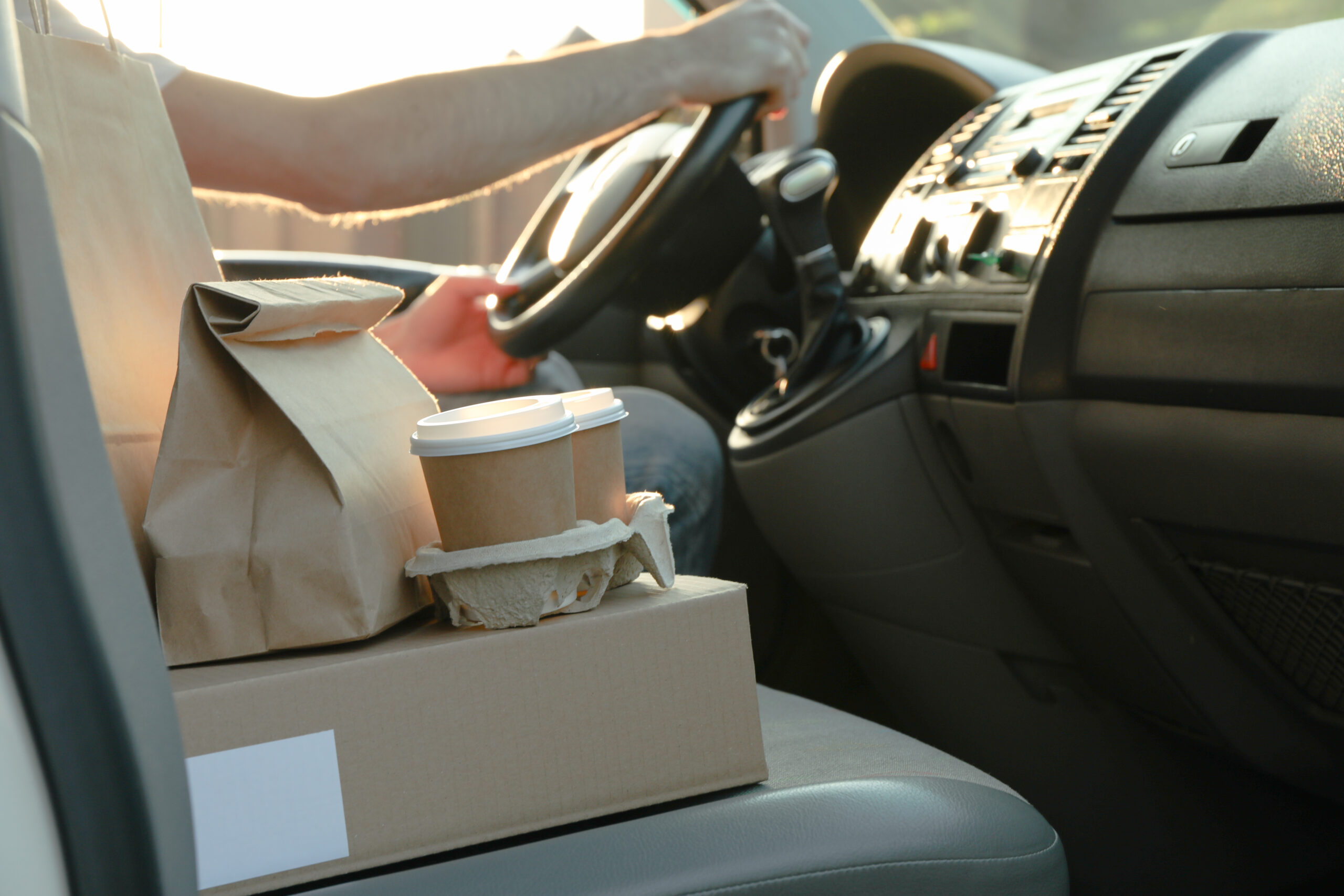
Food and package delivery drivers are now a constant presence on Pennsylvania roads. When one of them causes a crash, injured people are often surprised to learn how complicated the insurance picture can be. Depending on what the driver was doing at the moment of the crash, coverage may come from the driver, the delivery company, your own policy, or some combination.
Here’s what you should know if you were hurt in a crash with a delivery driver.
Why Delivery Driver Crashes Are Different
Most app-based delivery drivers are treated as independent contractors who use their own personal vehicles. That creates a few complications:
- Personal auto policies often exclude delivery work. Many personal policies don’t cover a driver who is using the car for paid deliveries, unless the driver has added a special delivery or business-use endorsement.
- Company coverage depends on the driver’s app status. Delivery companies that provide insurance typically limit it to certain stages of the delivery process.
- The rules vary by company. Each platform sets up its coverage differently, and those arrangements can change over time.
Why the Driver’s App Status Matters
In many cases, the key question is what the driver was doing in the app when the crash happened:
- App off: The driver’s personal auto policy is generally the main source of coverage.
- Logged in and waiting for an order: Coverage may be limited, and this “gap” period is often where disputes arise.
- On an active delivery: From the time the driver accepts an order until it’s delivered, delivery company coverage is most likely to apply.
Some companies, including DoorDash and Uber Eats, report providing liability coverage of up to $1 million during active deliveries. That coverage may apply only after the driver’s personal insurer has denied the claim, and the details can vary by company and by state. Other delivery platforms may provide little or no auto liability coverage, leaving the driver’s own policy as the main source of recovery.
Because so much depends on app status, the delivery company’s records about the driver’s activity can be important evidence.
Isn’t This the Same as an Uber or Lyft Ride?
Not exactly. Pennsylvania’s rideshare insurance rules generally apply to companies that transport passengers, like Uber and Lyft rides. Food and package delivery is generally handled differently, so the coverage available after a delivery crash may not match what you’d expect after a rideshare crash. You can learn more about passenger rideshare claims on our Rideshare Accidents page.
Drivers in Branded Delivery Vans
Not every delivery driver works through an app. Drivers in branded delivery vans, such as those operated by package delivery contractors, are generally covered by commercial insurance carried by the delivery company or its contractor. These claims often look more like other commercial vehicle cases, such as truck accidents.
Your Own Coverage Still Matters
Even when another driver is at fault, your own auto policy can play an important role:
- First-party medical benefits. Your own policy generally pays a portion of your medical bills regardless of who caused the crash.
- Uninsured and underinsured motorist coverage. If the delivery driver’s coverage is denied or isn’t enough to cover your losses, your own coverage may help fill the gap.
Your tort option, full or limited, can also affect what you can recover. We explain that choice in our article on limited tort vs. full tort in Pennsylvania.
What to Do After a Crash with a Delivery Driver
- Call the police and make sure a report is made.
- Ask the driver whether they were making a delivery, and for which company.
- Look for signs of delivery work, such as insulated bags, food orders, packages, or app-branded stickers, and photograph them.
- Photograph the vehicles and the scene, and get witness names and phone numbers.
- Get medical care promptly, even if you feel okay at first.
- Be careful what you say to insurance companies, and avoid guessing about the driver’s status or who was at fault.
For more general guidance, see our article on what to do after a car accident in Pennsylvania.
Act Quickly to Protect Your Claim
Delivery crash claims often involve multiple insurance companies, each with reasons to point to someone else. App data and other records may not be kept indefinitely, so it’s important to move quickly to preserve the evidence that shows what the driver was doing.
Pennsylvania imposes strict time limits for filing personal injury claims. Wood Legal offers a free case review, and we handle personal injury cases on a contingency basis, so there’s no upfront cost to you. Contact Wood Legal today to talk about your accident and your options.