
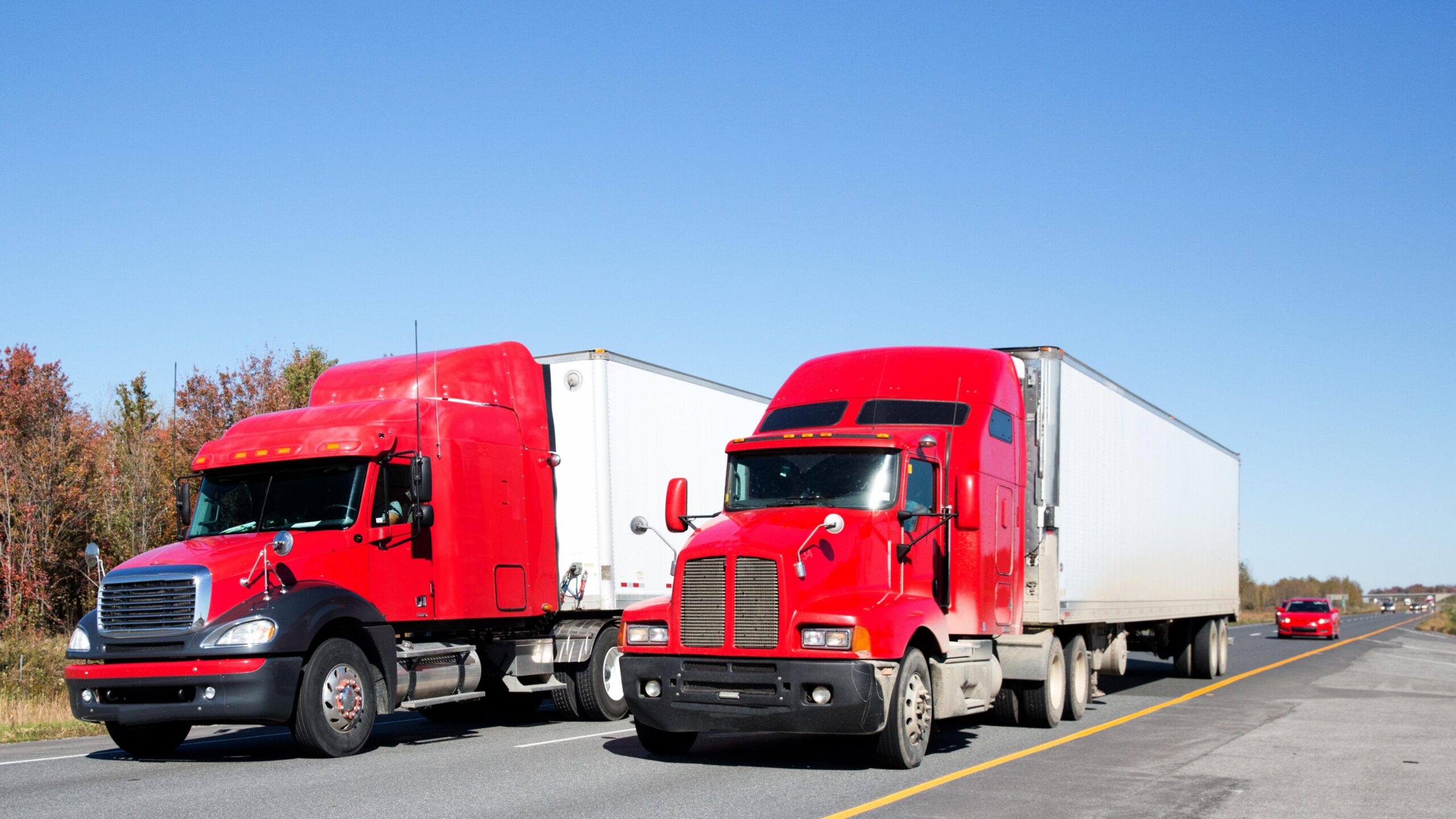
A crash with a tractor-trailer or other large commercial truck can look, at first, like any other traffic accident. But truck crash claims often work very differently from ordinary car accident claims. The rules that apply, the parties who may be responsible, the insurance available, and the evidence that matters can all be different, and those differences can have a major effect on an injured person’s claim.
Trucks Are Subject to Additional Safety Rules
Every Pennsylvania driver must use reasonable care behind the wheel. Commercial truck drivers and trucking companies must also follow additional federal and state safety regulations designed to address the risks of operating large, heavy vehicles. These rules generally cover areas such as:
- Hours of service: limits on how long a driver can drive and work before taking required rest breaks.
- Driver qualifications: commercial licensing, medical certification, and the trucking company’s duty to screen the drivers it hires.
- Drug and alcohol testing: testing requirements for commercial drivers.
- Inspection and maintenance: requirements to inspect, repair, and maintain trucks and trailers, including brakes and tires.
- Cargo securement: rules for loading and securing freight so it does not shift or fall.
When a driver or trucking company violates one of these rules, that violation can be important evidence of negligence. A fatigued driver who exceeded hours-of-service limits, or a truck sent out with brakes that should have been repaired, can point to responsibility beyond a single moment of careless driving.
More Than One Party May Be Responsible
In most car accidents, the claim centers on one at-fault driver and that driver’s insurance. Truck crashes often involve several potentially responsible parties, which may include:
- The truck driver.
- The trucking company that employed or contracted with the driver.
- The owner of the truck or trailer, if different from the trucking company.
- The company that loaded the cargo.
- A maintenance or repair company that serviced the truck.
- The manufacturer of a defective truck part, such as brakes or tires.
Identifying every responsible party matters, because each may carry its own insurance coverage. It can also matter under Pennsylvania’s comparative negligence rules, which compare an injured person’s share of fault against the combined fault of everyone responsible.
Higher Insurance Limits, and a More Aggressive Defense
Federal law generally requires trucking companies that haul freight across state lines to carry far more liability insurance than Pennsylvania requires for ordinary passenger vehicles. That higher coverage can make a meaningful difference when injuries are serious.
But higher limits also mean the insurance company has more at stake. Trucking companies and their insurers often send investigators to the scene of a serious crash quickly, sometimes within hours, to begin building a defense. Injured people should expect the claim to be contested, and should be cautious about speaking with the trucking company’s insurer before understanding their rights.
Evidence That Is Unique to Truck Crashes
Commercial trucks and trucking companies generate records that ordinary passenger vehicles usually do not. Depending on the case, important evidence may include:
- Electronic logging device data showing the driver’s hours.
- Data from the truck’s onboard computer, such as speed and braking before the crash.
- Dashcam or other camera footage.
- Dispatch records and communications with the driver.
- Inspection, maintenance, and repair records.
- The driver’s qualification and employment records.
Some of these records may be kept only for a limited time, and electronic data can be overwritten. That is why it is often important to send the trucking company a written demand to preserve evidence as early as possible after a crash.
Limited Tort and Out-of-State Trucks
If you chose the limited tort option on your own auto policy, you may assume that your right to recover for pain and suffering is restricted. But Pennsylvania law includes exceptions. One of them applies when the at-fault vehicle was registered in another state. Because many commercial trucks traveling Pennsylvania highways are registered elsewhere, a limited tort election may not limit a claim against an out-of-state truck. Other exceptions may also apply, depending on the circumstances.
Injuries Are Often More Severe
A fully loaded tractor-trailer can weigh many times more than a passenger car. As a result, truck crashes frequently cause serious injuries such as broken bones, spinal injuries, and traumatic brain injuries, and they are more likely to be fatal. Serious injuries often mean long-term medical care, lost income, and lasting effects on daily life, all of which should be fully accounted for in a claim.
How Wood Legal Can Help
If you were injured in a crash involving a commercial truck, the steps taken in the first days and weeks can matter. Pennsylvania also has strict time limits for filing personal injury claims, so it is important to act quickly. Wood Legal can investigate the crash, identify the parties who may be responsible, and work to preserve the evidence that supports your claim. We represent injured people only, never trucking companies or insurance companies, and personal injury cases are handled on a contingency basis, with no upfront cost. Contact us today for a free case review.